Xavier Bertels

I’m Head of Product at Phished. Previously CPO at SweepBright and co-founder of Mono.

Sony WH-1000XM4 vs Apple AirPods Max

I’ve held off buying wireless headphones for a very long time. It never seemed like an upgrade over my trusted B&W wired headphones. I like to try new things. But fiddling with Bluetooth, loss of audio quality and replacing and charging batteries held me back for years. Disruption theory is fun, until your audio stops working halfway a sales call, or listening to music sounds like you’re visiting last century’s thirties.
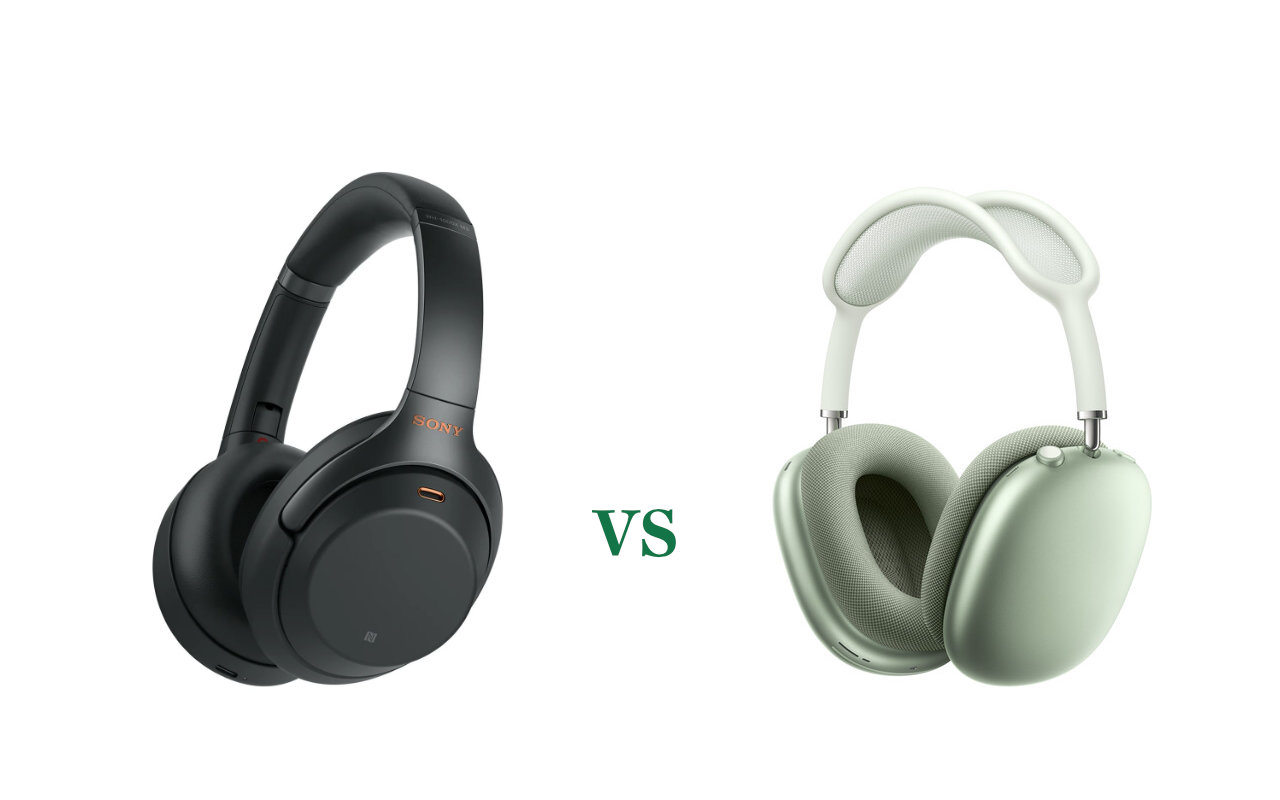
All of that has changed in recent years. And between Sony’s WH-1000XM4 and Apple’s AirPods Max, I felt there was finally a serious option to upgrade my audio experience.

I ordered the Sony headphones first. They were almost everything I had hoped they would be; comfortable, light-weight, excellent noise cancelling and great sound. Battery life is amazing, it comes with a 3.5mm audio jack cable and even an airplane adapter so you can enjoy the in-flight entertainment and actually hear dialogues. Sony’s app is not too bad—although you will always hear me complain about an app that does not use the operating system’s native design patterns. It’s kind of weird that they deliver the headphones with a mini 5cm USB-A charging cable in 2021, but hey ?‍♂️. I have enough charging cables and as far as I’m concerned everyone can stop shipping charging adapters and cables with their products now.

Bluetooth vs Apple’s W1: 0-1

But . . . I have an iPad, iPhone and MacBook Pro. And I had gotten used to Apple’s W1 chip with the AirPods Pro–which I don’t use anymore but that’s a different story. The W1 chip means that it’s easy to pair the AirPods Max to all of your Apple devices. There is technically no limit to how many are paired at the same time. Sony tried, they implemented two simultaneous bluetooth channels so you can have your computer and phone paired at the same time. But in practice I found this to be more annoying than helpful. During Zoom calls on my computer, I would get a phone call that would cut out the computer audio entirely. Not a fun experience when you’re in the middle of discussing something important.

Audio Quality & Mic Array

With regards to listening audio quality I would say both headphones are the best I’ve heard in the wireless headphones category. The noise cancelling quality of the AirPods Max is a bit better to me. And that might have something to do with the microphones . . .

My feeling is that the mic array in the AirPods Max is far better than in the WH-1000XM4. This was clear when I did some tests recording my own voice in Voice Memos. But it is especially apparent when you compare Sony’s Transparency mode with Apple’s Transparency mode. With the AirPods Max I can have a fluid conversation. It’s almost as if I’m not wearing the headphones at all.

Do the AirPods Max not have any downsides? Well yes they do. For one, they come with a ridiculous case. Maybe this was designed by the same team who designed the infamous Magic Mouse 2 charging port. They are also 30% less comfortable than the WH-1000XM4. Apple went with a high-quality metal design. It’s a striking look. But this makes them quite a bit heavier. The pressure on my jaw and around my ears is also higher as a result. Because I often wear glasses, I cannot comfortably wear these headphones for 4 hours straight. For me that’s not a problem–rather a reminder to take enough breaks–but it is a downside if you have an 8 hour flight you want to get through.

Conclusion

To sum it up: on paper Sony has all the benefits, features and a realistic price point. But Apple has the features that matter to me the most. And they can charge €200 more for it.
De CoViD-respons is een ondermaats product

Beste regeringen

Ik stel met spijt vast dat we al meer dan een jaar professioneel aan het prutsen zijn. Het is een collectief falen van de Europese, federale en regionale beleidsniveaus. En met de vinger naar elkaar wijzen zoals de laatste dagen, is eerder voor de kleuterklas. Wanneer er meer dan 300 000 Europese doden1 en wellicht miljoenen gewonden vallen hou je daar best mee op.

Jullie zijn omringd door de beste wetenschappers. Jammer genoeg heeft niet elke politicus de exponentiële functie onder de knie. Het is nochtans een basisconcept in ons excellente onderwijs.

De versoepelingen van enkele weken geleden leiden 100% voorspelbaar tot de situatie die zich vandaag ontvouwt. En die situatie loopt twee weken achter op wat onvermijdelijk komt. Niet alleen heeft ons land dit exacte scenario al twee keer meegemaakt, hetzelfde scenario heeft zich het afgelopen jaar over heel de wereld al tientallen keren voorgedaan: regels versoepelen, besmettingen stijgen, ziekenhuizen lopen vol, mensen sterven, behandelbare ziektes veroorzaken gewonden door een gebrek aan zorg.

Elke serieuze wetenschapper of geïnteresseerde burger wist in Maart 2020 dat dit het scenario ging zijn. Het had zich namelijk met andere virussen al op uiteenlopende plaatsen afgespeeld. Je kan de zwaartekracht in twijfel trekken, maar als je uit een appelboom valt heb je pijn.

Ik ben product manager en bedrijfsleider. Mijn dagelijkse werk heeft weinig te maken met biologie of politiek. Waar ik wél ervaring mee heb is patronen herkennen en beslissingen nemen op basis van de beschikbare data, in functie van de gebruikservaring van een grote groep mensen. De data voor het product covid-respons zien er niet goed uit.

Even de feiten: de vaccins, die komen traag. Ze komen al maanden traag en er is geen enkel bewijs dat dat zal versnellen. Het vaccineren zelf gaat ook al maanden traag. Er zijn proces- en IT-problemen. Tenzij er iets fundamenteel verandert zal dat waarschijnlijk ook zo blijven. Er is geen bewijs dat het vaccineren zal versnellen of verbeteren. Als je er even de cijfers bij neemt2 zie je dat geen enkel land een opmerkelijke versnelling in de vaccinatiesnelheid vertoont. Zelfs Israel vaccineert aan een voorspelbare vaste snelheid.

Ik hoop ook op mirakels. Maar u wordt betaald voor beleid. Als u dat gevoel niet heeft kan u misschien voor de kerk gaan werken. Communiceren over snellere vaccinatie is uw aandeelhouders een rad voor de ogen draaien. Een groot deel van de bevolking is al vermoeid. De verantwoordelijkheid is verpletterend en de meesten van u zitten aan het stuur als lame ducks. Reactief en hoop predikend. Alsof er geen beter pad is en we de rit maar moeten uitzitten. “Het is wat het is.”

Onder al het gewouwel over “de economie” en “perspectief” schuilt nog een tweede ongemakkelijke waarheid. De idee-fixe dat vaccinaties al onze zorgen gaan wegnemen is voorspelbaar fout. U werkt misschien met termijnen van 4 jaar, maar Coronavirussen doen dat niet. Voor het product covid-respons is het nodig om een perspectief van 100 jaar te hanteren. Wat gaan we doen met de eerste variant waar de huidige vaccins 10% tegen beschermen? Weer drie jaar van lockdown naar lockdown sukkelen? Weer een avondklok invoeren? Weer een rondje bewegingsvrijheden beperken voor de totale bevolking?

Neen bedankt.

Er is op lange termijn geen product-market fit. Er is wereldwijd een opkomende middenklasse. Sommige projecties spreken van een verschuiving van 2 miljard mensen richting middenklasse tegen 2030. Het zou onethisch zijn om die middenklasse de voordelen van globalisering te ontzeggen. Ze gaan internationaal zaken doen. Ze gaan reizen. De kans op een nieuwe virusvariant neemt enkel toe.

We hebben een nieuwe strategie nodig om daar mee om te gaan. En het is die lange-termijnblik die vandaag afwezig lijkt. Het is nochtans hét moment om te experimenteren. Om heel even progressief te zijn in denken en doen.

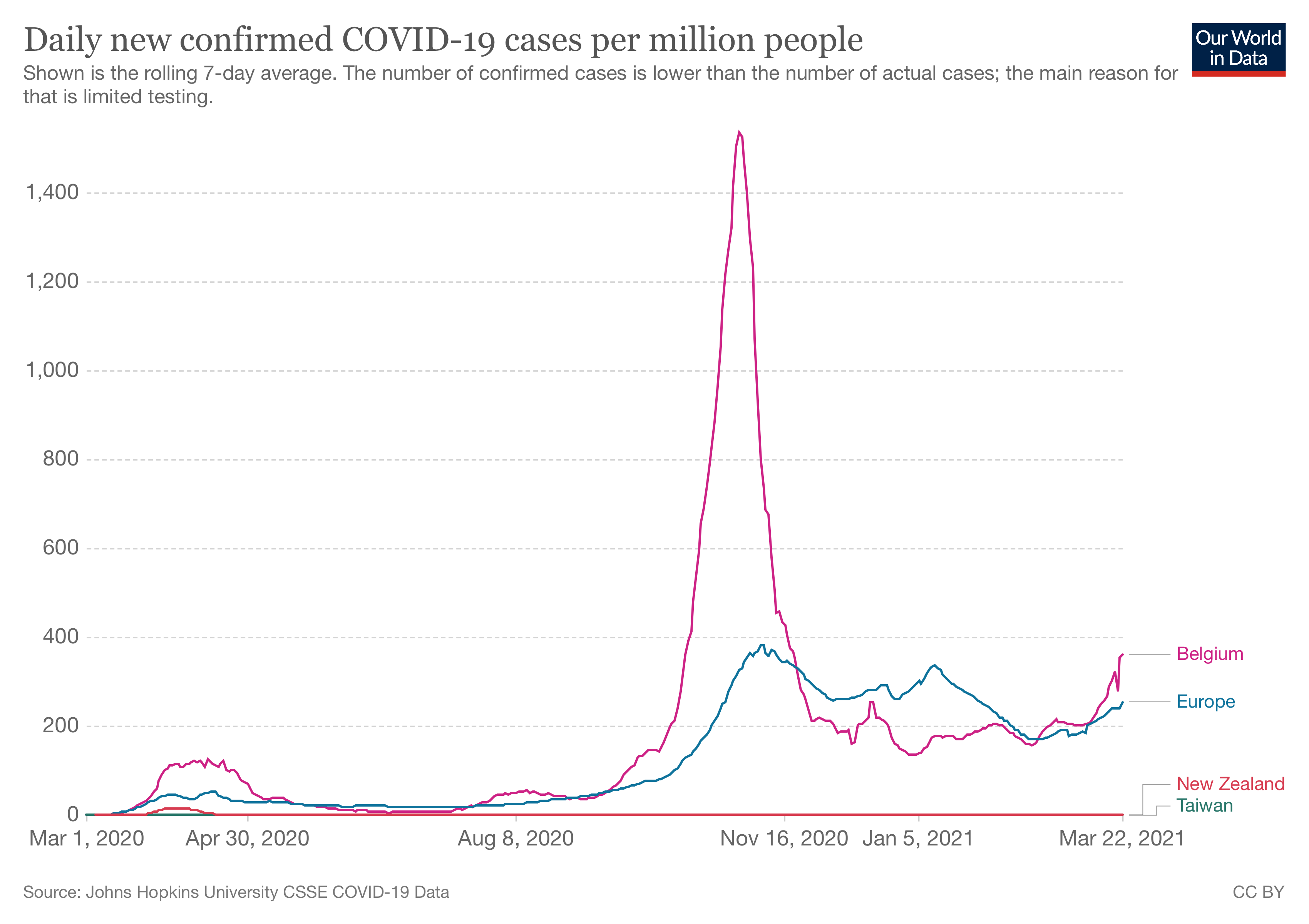
Er is een andere strategie. Het is een strategie die verschillende wetenschappers, waaronder de Belgische, al naar voor geschoven hebben. Het is de strategie die in Nieuw-Zeeland en Taiwan de grafiek van CoViD-19 besmettingen per miljoen mensen er zo laat uit zien:

Je zou het kunnen verwarren voor een fout in de grafiek, maar het is inderdaad een platte lijn. Het is ook de enige strategie die werkt zonder brede vaccinatie van de bevolking.

Ik ben voor alle duidelijkheid vóor vaccinatie. Het is een belangrijk wapen dat ons tijd zal geven om ons verder voor te bereiden. We moeten ons voorbereiden op de realiteit dat dit ooit opnieuw gaat gebeuren met een ander virus. En ik denk dat we best nu al een plan bedenken voor dat moment. Misschien is het zelfs nog beter om het plan nu op te stellen en aan de realiteit te toetsen. Op die manier hebben we data om het bij te sturen en het te verbeteren.

De strategie is eenvoudig: crush the curve. Sla de curve plat en hou ze plat. De tactiek is ook eenvoudig: eerst een harde totale lockdown. Dan de besmettingen naar een tiental herleiden. Testen, tracen en vooral mensen opvolgen. Strenge maar draagbare quarantaine voor besmette mensen. Lokale lockdowns bij verdere uitbraken.

De implementatie is iets moeilijker. Maar ik ben er zeker van dat we die kennis in België in huis hebben. Testen, tracen en mensen opvolgen is eenvoudiger wanneer het er geen tienduizenden zijn maar tientallen. Een quarantaine aangenamer maken is ook eenvoudiger wanneer het er tientallen zijn. Deel goodie bags uit. Betaal mensen in quarantaine om binnen te blijven. Controleer aan de hand van hun GSM-signaal of ze niet beginnen te reizen. Ik ben zelf een groot privacy-voorvechter, maar een hele bevolking gijzelen met een avondklok en camera’s is een machtsverheffing problematischer dan tientallen mensen automatisch opvolgen aan de hand van de gsm-masten in de buurt. Je hoeft ook niet repressief met robocops aan de deur te komen, je kan automatisch een SMS’je sturen om er aan te herinneren dat een persoon binnen moet blijven. Bel die mensen op, vraag hoe het gaat. Nudge.

Er zullen mensen onder u zijn die allerlei bestaande redenen zien waarom die strategie bij ons niet kan werken: Schengen, privacy, bevolkingsdichtheid, economie en bevolking die niet bereid is om regels te volgen zijn er een paar. Tegen u zeg ik: we hebben al een jaar bewijs verzameld dat de huidige strategie niet werkt. Hoe langer het duurt, hoe overtuigender het bewijs wordt dat ze niet werkt. Gaan we echt blijven draaien in deze carousel, wachtend op het volgende virus?

Ik ben ten slotte maar een gewone burger. Ik kan niet veel meer doen dan lijdzaam toekijken en een brief schrijven. Met het risico om de performance van Tom Lenaerts oneer aan te doen: u maakt er een circus van. Los het op.

1 oversterfte, bron

2 ourworldindata.org/covid-vaccinations

Vrij werken

In 2018, schreef ik over hoe Mono een Remote First bedrijf is. Het is nu 2021, we zijn een pandemie en drie jaar verder. We zijn ondertussen met zeven. Dat brengt nieuwe inzichten.

Ik moet toegeven: de term remote past niet bij mijn visie. Werk op afstand roept een beeld op van afstand tussen mensen. Dat hoeft niet zo te zijn. Voor mij ging het al sinds dag éen over keuzevrijheid. Ik schreef dat ook al in 2018. Het was eerder een visie dan een specifieke uitvoering waarbij iedereen op afstand moet werken. Je kan vrij zijn om te werken waar je wil en toch een gevoel van nabijheid hebben. Niet artificieel door een dagelijkse stand-up te organiseren, maar door aan hetzelfde doel te werken.

In 2021 worden bedrijven in de kenniseconomie verplicht om te werken op afstand. Ze maken die switch kennelijk vaak zonder visie. En met hoop dat we “wel terug naar normaal zullen terugkeren.”

Was normaal dan zo goed? Waren we niet al jaren de foute weg ingeslagen met onze burn-outcijfers? Op dit moment concluderen dat telewerk de burn-outepidemie veroorzaakt, lijkt erg kort door de bocht. Iedereen terug naar kantoor roepen lost het probleem niet op. Onze kenniseconomie groeit elk jaar, maar de manier waarop we met werk omgaan heeft wortels in de productie-economie die 100 jaar oud zijn. Het is een denkpiste die we best samen verlaten: vakbonden, ondernemersorganisaties en politici incluis.

Concrete verandering? Dat is van controle naar vertrouwen. Dat is geen tijdregistratie. Dat is werken van waar je wil. Dat is actief werknemers coachen om voldoende vakantie te nemen. Dat is voldoende vakantie opnemen. Dat is vanuit het bedrijf extra collectieve vakantiedagen inlassen. Dat is mentaal welzijn financieel ondersteunen waar de overheid dat niet doet. En mentaal welzijn bespreekbaar maken.

We vinden het zelf vervelend wanneer de overheid ons goedbedoelde regels oplegt. En toch doen we met onze werknemers exact dat. Ik hoop dat we vanaf 2021 wat meer empathie kunnen vinden. Ik zie graag een toekomst waarin mijn collega ondernemers minder nadenken over telewerk vs werken op kantoor. En meer nadenken over hoe we vrij werken praktisch kunnen organiseren.

No Friction Please

No friction please… But how did a product that was “bad design” hit $1M ARR within 2 months of opening payments? ?

Time for a closer look.

If there is something designers and product managers around the world agree on, it is that friction in a digital product is a bad thing. It’s obvious, right? I’m sure these sound familiar to you: “We need to make the onboarding frictionless.” “The experience here can be optimised.” “Let’s simplify this flow.”

About five months ago I decided to experiment with a new tool called Roam Research. You could call it an app for note taking, but it’s a new category; it’s an ideas factory.

What we would call “onboarding” is non-existent in Roam. All you get is an interface that we would describe as unintuitive, ugly and unpolished. There is A LOT of friction between starting to use it and getting value. The typography is all over the place, a lot of things happen with secret shortcuts and the mental model is something that didn’t exist before.

Recently, they opened up payments and got to 1M ARR in 2 months.

Can we look at this in a different light? Friction triggers Slow Thinking. It helps to learn and understand things at a deeper level. It makes you more invested. And the best part: once it clicks, you get that sweet sensation of discovering something new. You’ve crossed the river and are now part of the tribe on the other side. If the other side is great, you will explain to others how to get there.

And this is exactly what happened with Roam. The onboarding experience was the community sharing videos and how-tos on twitter, on Slack, on YouTube… The onboarding experience was the community, learning in the open and becoming better through this tool.

We need to change our mindset. Using design to create Duplo interfaces 100% of the time is not the answer. It’s insulting to the cognitive abilities of our customers. Removing friction may not be as import as we think it is. At best, it’s a marginal gain that can compound over time to something great. But it’s not what will get you to $1M ARR in two months. And it’s not what will get you to a loyal customer base.

An MVP is not a Product

An MVP is not a Product. These are two different things. It’s common to get them confused. In early stage startups, the MVP is the product. In a mature company, these things have to be separate processes.

Your startup is a very specific kind of company. One that is finding product-market fit. You avoid the weight and process of building a Product, by building MVP’s until you find that fit. You’re looking for a disruptive entry into the market.

This is a different process from going into head-on competition, where you build a more luxurious version of an existing product. You cannot do that with MVP’s. You need a different mindset. One is the Concorde way, the other is the Airbnb way. Be honest about what you are.

Airbnb is a disruption to the hotel industry; they started with a crappy MVP, that was nowhere near what hotels offered. And in the beginning they targeted an underserved market. Technology enabled them to do it a magnitude cheaper than a hotel. They found product-market fit.

But do you think Airbnb would be the company it is today if they had kept releasing MVP’s? Obviously, no. At some point, Airbnb became a Product, with very different processes to build it. Does that mean they don’t experiment anymore? No. But experiments are a different process.

This is where I see organisations take a weird turn: they consider that building a Product hastily, is the same as building an MVP. They then launch MVP after MVP to their customers, who get upset. And they decide that the MVP approach doesn’t work.

You can still use MVP’s to test with a small set of customers who are really interested in this, and who understand if things break. But you cannot bring the MVP mindset to building your Product. That’s a downward spiral of releasing bad ? products.

Building and launching a Product is 10× more time intensive than building and testing with an MVP. MVP’s don’t need optimized code, pixel perfect design, regression tests, QA, documentation etc. This is the very opposite of what a Product is: polished and durable.

Both are valuable, so:

  1. Figure out what you’re working on: Product or MVP?
  2. Use the right process to support that.
  3. Profit! ?

And realise that disruption is always looming… ?